

Who Should Avoid Nadi Shodhan Pranayama?
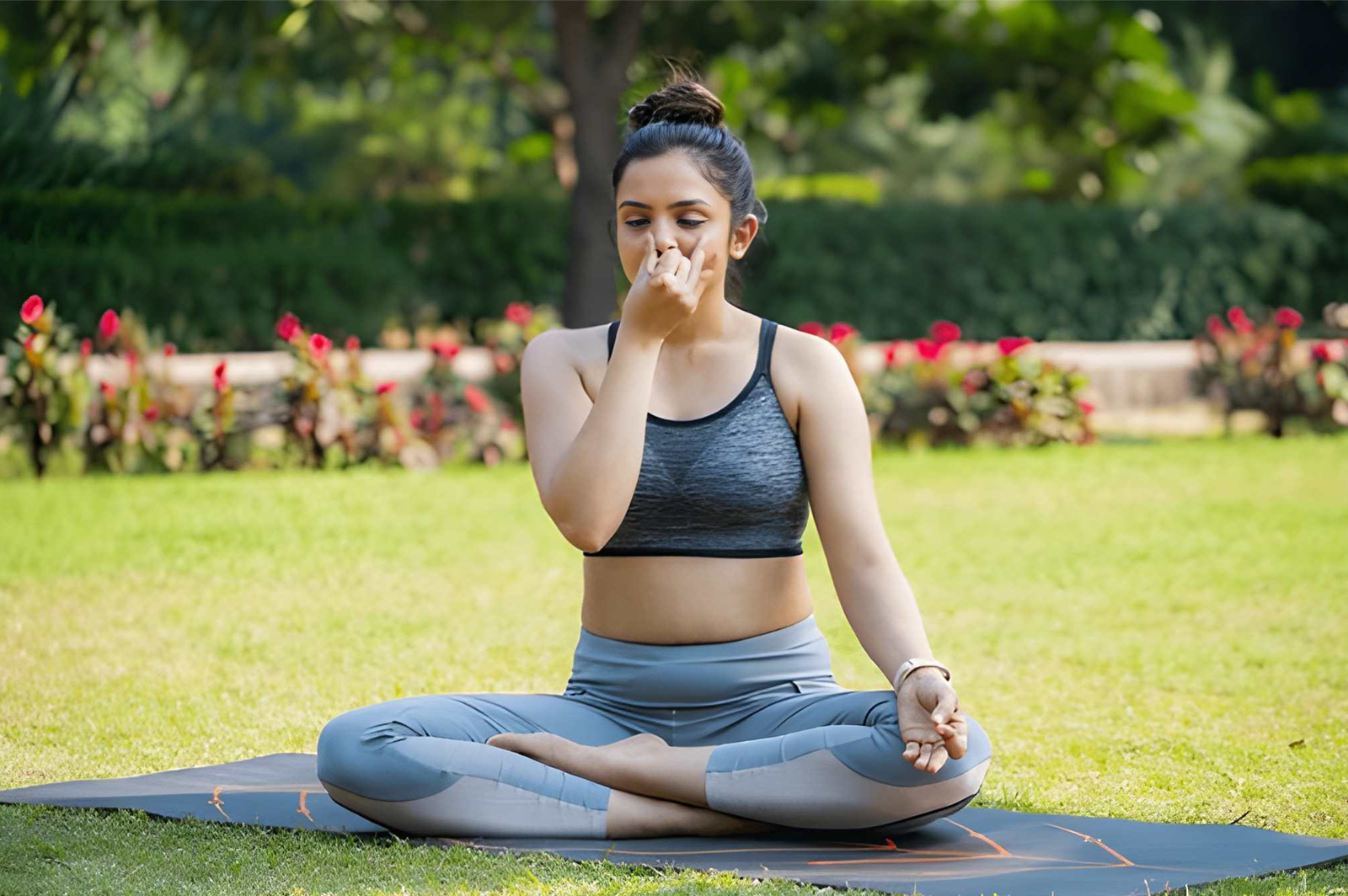
Nadi Shodhan, often known as alternate nostril breathing, is one of yoga’s most powerful breathing practices. It purifies the energy channels (nadis), balances the right and left hemispheres of the brain, and helps you feel calm and centred. But as gentle as it seems, Nadi Shodhan isn’t suitable for everyone. Let’s explore who should avoid it, what it does to your brain, its main uses, and how it compares with other breathing techniques.
1. Who Should Not Do Nadi Shodhana?
Although Nadi Shodhan is safe for most people, certain conditions require caution or complete avoidance. You should avoid or modify Nadi Shodhan if you have:
- Severe cold, sinusitis, or nasal blockage — as it can make breathing difficult.
- Low blood pressure or frequent dizziness — deep breathing may lower it further.
- Severe asthma or chronic bronchitis — unless guided by a yoga therapist.
- Recent heart surgery or uncontrolled heart conditions.
- Pregnancy, especially if you’re new to pranayama (avoid breath retention).
- High anxiety or panic disorders — begin slowly without retention or long holds.
If in doubt, always consult your healthcare professional before starting.
2. Who Should Not Do Alternate Nostril Breathing?
Alternate nostril breathing (another name for Nadi Shodhan) may not be safe for people who experience:
- Frequent migraines or cluster headaches.
- Epilepsy or neurological conditions.
- Severe respiratory issues (like COPD).
- Extreme fatigue or sleep deprivation.
These individuals should start with simple deep breathing (diaphragmatic breathing) first and progress gradually.
3. What Is Nadi Shodhan Pranayama Used For?
Nadi Shodhan is used to cleanse, balance, and energise your mind and body. Major uses include:
- Balancing both sides of the brain — harmony between logic and intuition.
- Improving focus and clarity by calming scattered thoughts.
- Reducing stress, anxiety, and anger; promoting emotional stability.
- Enhancing lung capacity and oxygen intake.
- Preparing the mind for meditation and stillness.
- Balancing hormones and the autonomic nervous system.
4. What Does Nadi Shodhan Do to the Brain?
Scientifically and spiritually, Nadi Shodhan works wonders for the brain:
- Activates the parasympathetic nervous system, leading to relaxation and reduced heart rate.
- Balances left (logical) and right (creative) hemispheres.
- Enhances clarity, memory, and reduces cortisol (stress hormone) secretion.
- Induces alpha brain waves linked to calmness and creativity.
Regular practice can improve sleep, focus, and emotional regulation.
5. Which Is Better, Anulom Vilom or Nadi Shodhana?
While many use these names interchangeably, there’s a subtle difference: Anulom Vilom — alternate nostril breathing without breath retention (gentler). Nadi Shodhana — includes breath retention and ratio control (e.g., 4:16:8) for deeper practice.
Quick guide: Anulom Vilom = for beginners. Nadi Shodhan = for advanced practice and deeper balance.
6. Which Person Should Not Do Pranayama?
Generally pranayama is beneficial, but certain people should practice with caution or avoid temporarily:
- Those recovering from major surgery or illness.
- People with uncontrolled hypertension.
- Anyone with severe mental health conditions like schizophrenia or psychosis (unless guided professionally).
- People under heavy medication affecting breathing or heart rhythm.
- Children below 7 years (recommend simple deep breathing for short durations).
Always listen to your body — stop if you feel light-headed, short of breath, or uneasy.
Final Thoughts
Nadi Shodhan pranayama is an effective tool to restore balance and peace. However, as with any powerful practice, mindfulness is key. Start gently, follow your comfort level, and seek expert guidance when you have health concerns. When done correctly, it can become a lifelong habit that transforms your physical, emotional, and mental well-being.